PROOF OF GENIUS #05 — CRAFT and the Courage to Create
The Soul of the Object
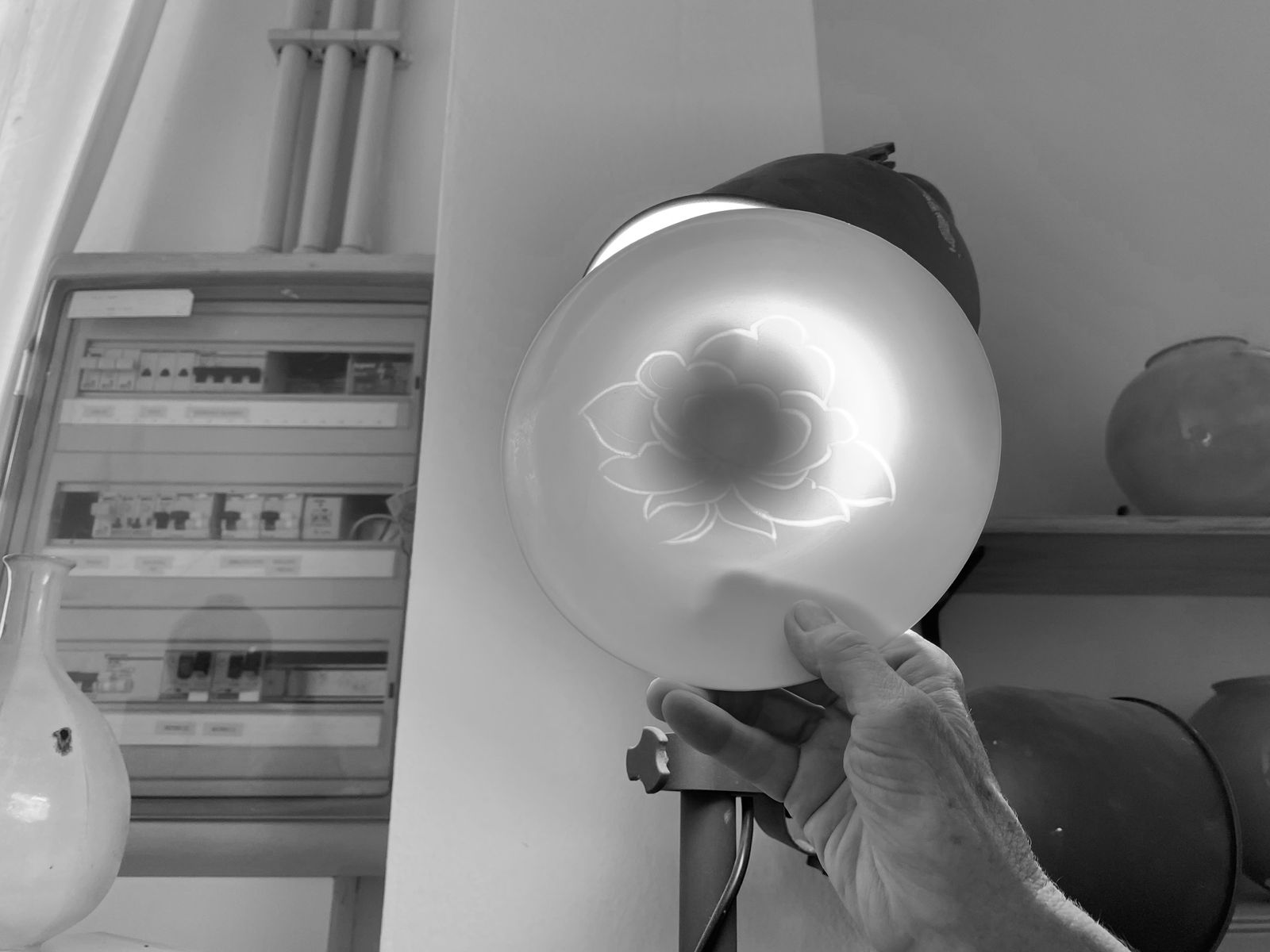
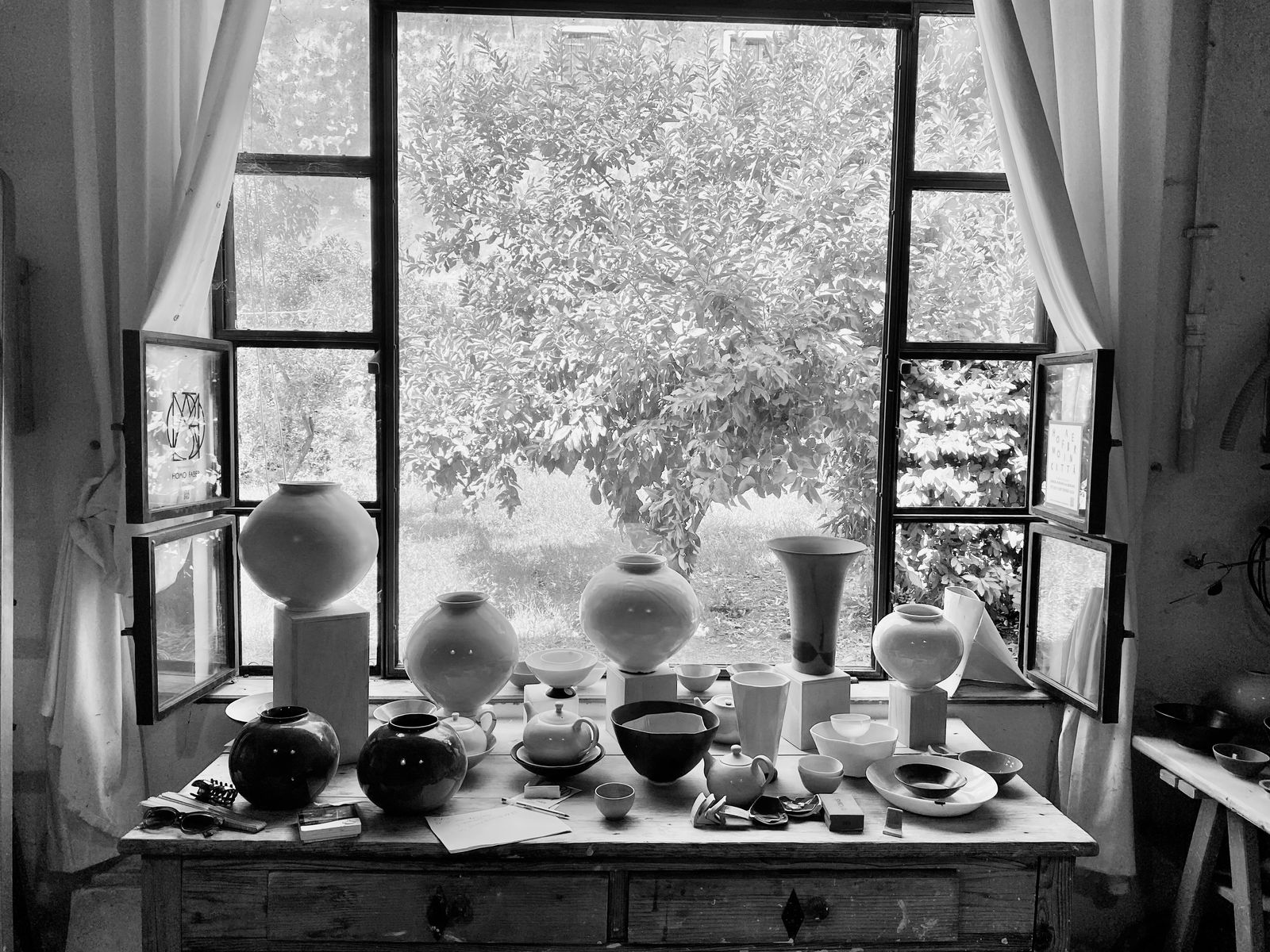
Nowhere is Stefanelli’s relationship to control and surrender more evident than in the glaze. Clay and porcelain form the body. The glaze is the delicate skin: the place where the object meets us.
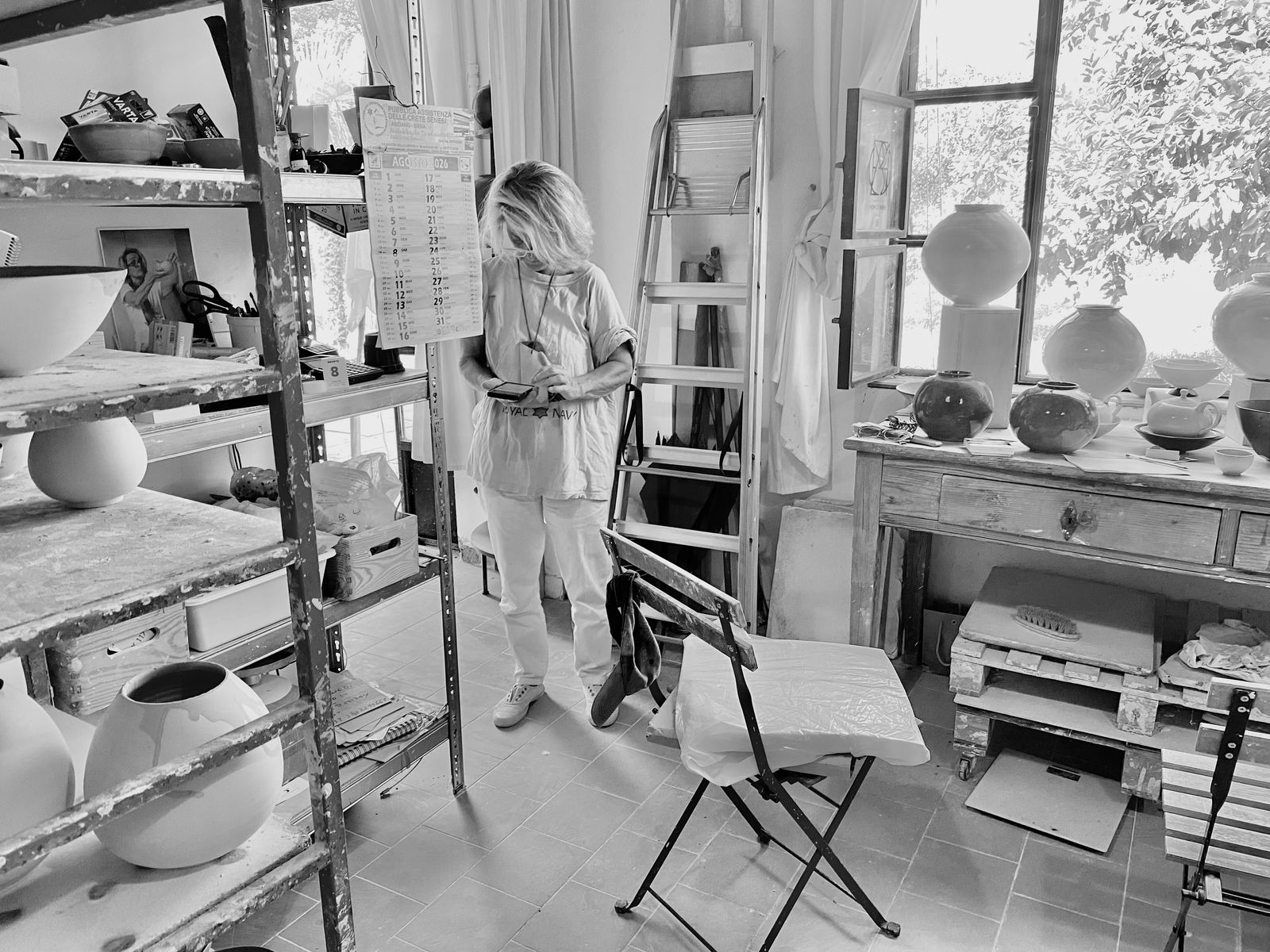
“The glaze is the skin,” she says, picking up various pieces and inviting me to touch them. “Go ahead, feel them.”
Suddenly, looking is no longer enough. The surfaces differ almost imperceptibly: smooth, rough, soft, dry, sensual. Color and texture become one. Even with my eyes closed, the character of the object remains palpable.
I ask her which part of the object she herself would be, if she had to choose. Her answer comes immediately: the glaze. Because if the glaze is the object’s skin, then, according to her, it symbolically represents something else as well. “The glaze is the soul of a piece.”
It’s a beautifully telling distinction. The clay gives the object its body. The hands give it form. But the glaze gives it character, presence, and perhaps also its mystery. And it is precisely the glaze that a maker can never fully predict. Heat, chemistry, materials, experience, and chance all come together in the kiln. Stefanelli knows her materials inside and out, but what emerges is never entirely under her control.
Perhaps that is precisely why glaze fascinates her so much. It lies on the border between mastery and surrender. The skin is what we touch; the soul is what we encounter.
When the World Enters the Studio
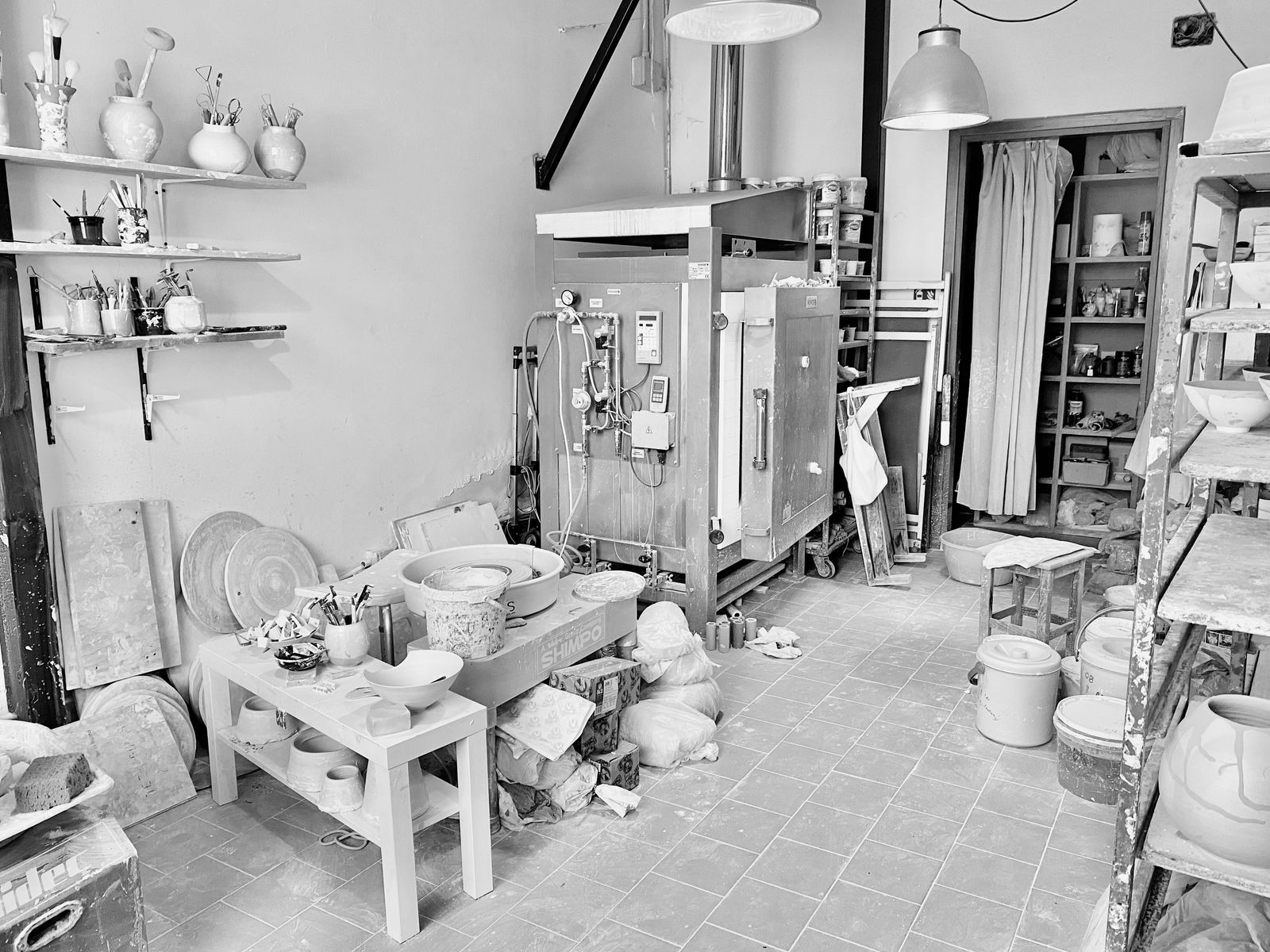
Even the most independent studio can never completely withdraw from the outside world. There are visitors, sales, taxes, insurance, liability, and rules. Stefanelli has little romanticism for that side of being a maker.
The moment she holds a workshop in her studio instead of just selling her work, she explains, the legal nature of what she does changes. Different responsibilities arise, along with different forms of liability and different rules. “I outsource all of that to an accountant. It makes me feel gloomy and distracts me from my work. To be honest, I think a lot of those rules are mindless nonsense.”
Behind that frustration lies a more fundamental point: creative independence requires infrastructure. A creator may want nothing more than the freedom to create, but that freedom exists within a world of taxes, insurance, contracts, safety requirements, and regulations—systems that are typically organized around clear-cut categories that don’t always fit the fluid reality of an artist’s practice.
Ignoring those systems doesn’t make them go away. But letting them demand too much attention also comes at a cost.
When Stefanelli was rebuilding her studio practice, her accountant gave her perfectly logical, classic business advice: do market research. She smiles at the memory. She turned down the advice. “There’s an inner conviction. That’s what I trust. And somehow, it just works. Work, work, work.”
It sounds almost defiantly uncommercial. But coming from Stefanelli, it’s anything but naive. She’s experienced commercial success. She knows what a market can offer a creator. More importantly: she knows what that market can also take away. The market may discover the work; it doesn’t have to determine why the work exists.
The creator: mastery without giving up curiosity
Stefanelli’s career is difficult to fit into the conventional narrative of a career that constantly develops in a single direction. She learned a craft, became successful, expanded her production, stopped, built a completely different career, returned to ceramics, went back to China to continue her studies, and started a studio again.
As a straight line, it hardly makes sense. As the life of a creator, it makes perfect sense.
At every moment, she seems to have protected above all else what matters most to her: the ability to remain genuinely curious about her work. That also explains why she now consciously chooses to work alone. Not because other people don’t matter, but because solitude creates the focus she needs to listen—to an idea, to a material, to a surface, to that almost imperceptible moment when something unexpected begins to happen.
She has already proven that she can produce more. The question now is how far she can go by making less.
Audentes fortuna iuvat
A new phase is dawning. Stefanelli is getting older and wants to focus even more intensely on her work. There are exhibitions she has already committed to. After that, perhaps fewer forms: a smaller number of objects she can continue to create, so that she can delve ever deeper into what fascinates her most—the harmony between form and glaze.
Reduction not as a retreat, but as a focus.
And stop altogether? The expression on her face makes the question seem almost absurd. Of course not.
“Fortune favors the bold,” she says. Then she recalls how her mother used to put it, somewhat more elegantly, when Stefanelli needed a little courage during difficult times: Audentes fortuna iuvat. Fortune favors the bold.
Perhaps that is the common thread running through Stefanelli’s entire career. She dared to start. She dared to become successful. And, much more unusually, she dared to let go of that success when it began to take her away from what was truly important. Years later, she dared to start over.
Now she’s doing something that’s perhaps even harder: doing less, going deeper, and leaving just enough room for something she can’t control.
Why This Matters
We often talk about creative careers as if success follows a simple upward trajectory: getting better, gaining visibility, selling more, growing, scaling up.
Stefanelli’s story offers a radically different model. Growth isn’t automatically progress. More output doesn’t automatically mean more value. And professionalism doesn’t mean a creator has to give up the autonomy that made the work distinctive in the first place.
At the same time, creative freedom does not exist in a vacuum. Taxes, insurance, liability, contracts, administration, and commercial realities remain. The challenge is not to pretend they aren’t there, but to organize them in such a way that they support the work rather than dictate it.
This is where Stefanelli’s story also touches on the idea behind Oddny. The goal of providing creators with more business knowledge isn’t to turn them into conventional entrepreneurs. Quite the opposite: it’s to give them sufficient insight, resilience, and autonomy to determine for themselves what success means to them.
Sometimes that means growing. Sometimes it means saying no. And sometimes genius lies precisely in the courage to stop, start over—and create less.
Venice, August 13, 2026